Plumber Sewer Line Repair & Lateral Replacement
Fiber-optic camera diagnosis, trenchless epoxy pipe relining, and open-trench structural replacements for damaged residential sewer lateral lines.
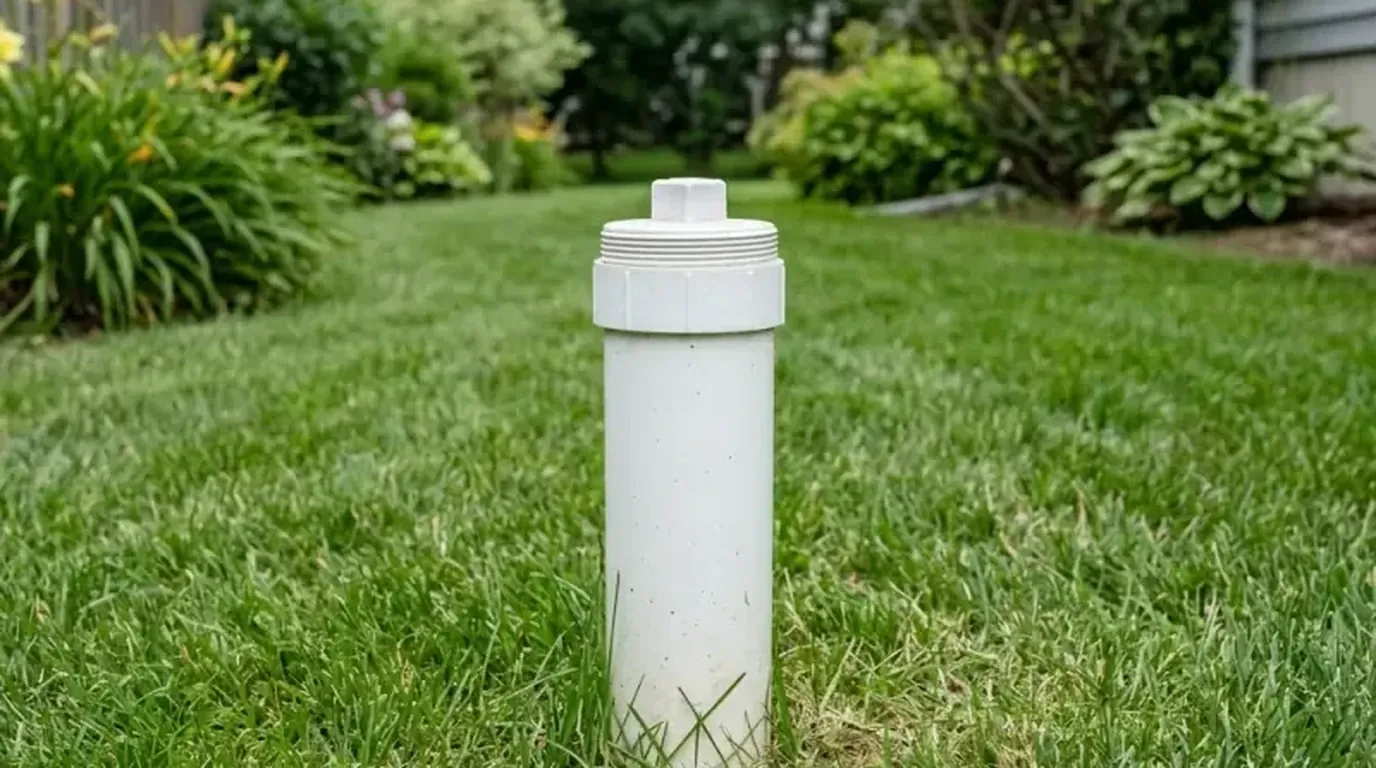
Trenchless Structural Pipe Rehabilitation and Lateral Restoration
Invasive root intrusions, shifting soil, and deteriorating clay hubs create severe underground blockages that send raw sewage into ground-floor bathtubs. High-definition drain camera scopes travel through exterior cleanouts to inspect internal pipe fractures, joint offsets, and low belly sags with precision. Trenchless cured-in-place pipe relining inserts an epoxy-saturated sleeve that hardens into a jointless structural pipe inside the existing line, eliminating root intrusion and restoring smooth wastewater conveyance without destroying mature trees, paved patios, or concrete driveway surfaces on your property.
Aging clay hubs, brittle cast iron, and shifting subsoil cause lateral sewer lines to crack, misalign, and collapse. Trenchless cured-in-place pipe (CIPP) relining pulls an epoxy-saturated fiberglass felt tube through an existing exterior cleanout. Once inflated and cured, it creates a seamless, root-proof structural pipe that lasts over fifty years without trench excavations.
Symptoms Requiring Immediate Inspection
● Multiple Lower Fixture Backups
Sewage rising in ground-level tubs and floor drains whenever laundry or toilets discharge.
● Depressions in Lawn or Pavers
Underground pipe fractures washing away subsoil and creating sunken yard sinkholes.
● Persistent Sewer Odors Outdoors
Cracked vent hubs or compromised cleanout fittings venting sewer air near living areas.
● Lush Greener Grass Patches
Nutrient-rich wastewater escaping underground fertilizing isolated patches of grass above the lateral.
Technician Diagnostic and Restoration Protocol
Mechanical repairs follow a rigorous step-by-step procedure designed to pinpoint root causes, preserve surrounding construction materials, and test installations under full building pressure:
- Pressure & Thermal Isolation: Technicians inspect the main supply manifold, test system pressure using liquid-filled gauges, and utilize thermal imaging to isolate temperature variances.
- Non-Invasive Acoustic & Video Scoping: High-resolution micro-cameras and acoustic ground microphones locate subterranean pipe fractures without indiscriminate exploratory demolition.
- Mechanical Restoration & Soldered Fittings: Damaged pipe segments receive heavy-duty soldered copper couplings, seamless PEX runs, or trenchless epoxy cured-in-place liners.
- Hydrostatic Testing & Flow Verification: Reassembled plumbing systems undergo pressurized hydrostatic testing to verify zero weeping across joints before walls or fixtures are sealed.
Frequently Asked Questions About Sewer Line Repair & Replacement
Stop Uncontrolled Leaks Before Subfloors Rot
Small pipe leaks release hundreds of gallons inside concealed wall cavities. Connect with our repair team immediately.